Escalating Tensions: Trump’s Hardline Stance on Iran Sends Shockwaves Through Global Markets
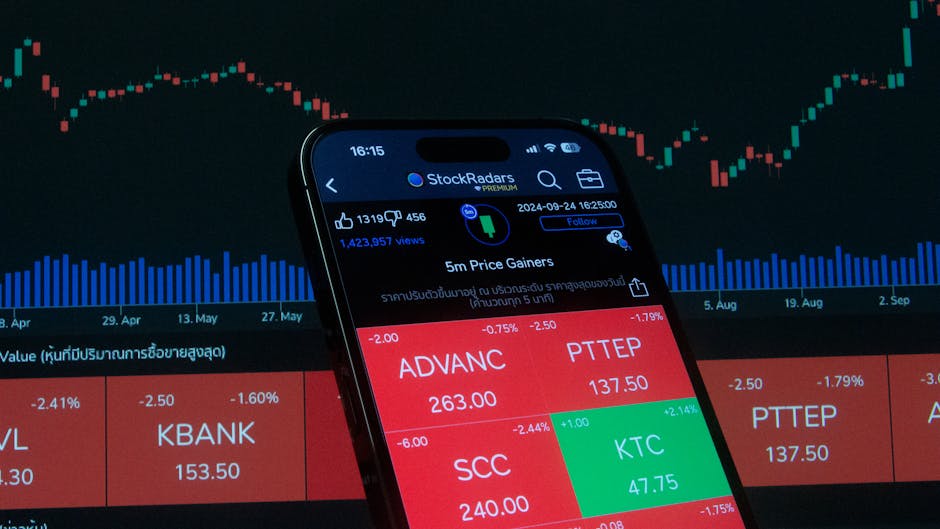
The global geopolitical landscape is currently navigating a period of intense volatility as the Trump administration doubles down on its confrontational approach toward Iran. In a series of recent maneuvers that have caught the attention of world leaders and financial analysts alike, the rhetoric coming out of Washington has shifted from diplomatic pressure to what many fear is the brink of open conflict. This escalation has had an immediate and profound impact on global financial markets, where uncertainty is the primary driver of current trends. Investors, wary of the potential for a protracted military engagement in the Middle East, have begun pulling back from riskier assets, leading to a noticeable shudder across major stock indices worldwide.

Central to the market’s anxiety is the direct correlation between Middle Eastern stability and energy prices. As the threat of war looms larger, oil prices have begun a steady and concerning climb. Brent crude and West Texas Intermediate (WTI) have both seen significant gains as traders price in the risk of supply disruptions in the Strait of Hormuz—a vital artery for the world’s oil supply. Analysts warn that any military action could lead to a sustained spike in energy costs, which would, in turn, exert inflationary pressure on global economies already struggling with post-pandemic recovery and shifting trade dynamics. The "war premium" is back in full effect, and the energy sector remains on high alert as the situation continues to evolve.

Diplomatic Crossroads: Britain’s Keir Starmer Under Pressure
The ripple effects of the Trump administration's policy are not limited to the financial sector; they are fundamentally reshaping diplomatic alliances. In London, Prime Minister Keir Starmer finds himself at a critical crossroads. Recently, Starmer hosted a high-stakes meeting of world leaders to discuss the security of international waterways, specifically focusing on the maritime routes that could be jeopardized by an escalation in the Persian Gulf. However, the backdrop of this meeting is dominated by mounting pressure from the United States. Reports indicate that the Trump administration is aggressively lobbying its closest allies, particularly the United Kingdom, to provide more than just moral support for its hardline Iran policy.
The pressure on the UK to join a potential "Iran war" coalition has placed the Starmer government in a precarious position. While maintaining the "Special Relationship" with the United States remains a cornerstone of British foreign policy, there is significant domestic and international resistance to entering another conflict in the Middle East. Starmer’s current strategy appears to be one of cautious mediation, emphasizing the importance of international law and the protection of global trade routes while stopping short of committing military resources to an offensive campaign. The outcome of these diplomatic talks will be a litmus test for the UK's post-Brexit foreign policy and its ability to balance alliance obligations with regional stability.
Global Economic Consequences and the Path Ahead
Beyond the immediate market fluctuations, the long-term economic consequences of a conflict with Iran are weighing heavily on the minds of international policymakers. A full-scale war would likely disrupt global supply chains far beyond the energy sector. Iran’s strategic position and its influence over regional proxies mean that any conflict could quickly become a multi-front engagement, dragging in neighboring states and potentially leading to a broader regional conflagration. The IMF and other economic watchdogs have expressed concern that such a scenario would derail global growth projections and lead to a period of heightened economic instability.
As the Trump administration continues to push its agenda, the international community remains divided. While some regional actors may welcome a more aggressive stance against Tehran, many European and Asian nations are advocating for a return to the negotiating table. The coming weeks will be critical as diplomatic efforts intensify to de-escalate the situation. For now, the world watches with bated breath as oil prices remain elevated and markets remain on edge, waiting for the next signal from Washington. The cost of conflict is already being felt at the pump and in portfolios, highlighting the deep interconnectedness of modern geopolitics and the global economy.
Comments
Post a Comment