Global Markets Shudder: Trump’s Iran War Push and the $150 Oil Reality
The world is holding its breath. Following a bombshell report from The Washington Post, the geopolitical landscape has shifted from "tense" to "volatile" overnight. As the Trump administration doubles down on its stance regarding a potential conflict with Iran, the ripple effects are being felt in every corner of the global economy.
From the trading floors of Wall Street to the petrol stations of suburban London, the message is clear: The era of energy stability is under siege. But what exactly is happening behind closed doors, and why are markets reacting with such unprecedented ferocity?
The Washington Post Bombshell: A World on the Brink?
The latest headlines haven't just sparked a conversation; they’ve ignited a firestorm. According to The Washington Post, the Trump administration is no longer just using rhetoric—they are actively moving the pieces for what could be the most significant military engagement of the decade.
Markets hate uncertainty. But more than uncertainty, they fear a disruption to the world's most vital energy arteries. The report suggests that the "maximum pressure" campaign has evolved into a strategic preparation for kinetic action, sent shockwaves through the S&P 500 and the FTSE 100.

"The escalation we are seeing isn't just diplomatic posturing; it is a fundamental realignment of global risk. If the 'waterway' closes, the global economy doesn't just slow down—it stops." — Senior Commodity Analyst
Keir Starmer’s High-Stakes Summit: The "Waterway" Crisis
In the heart of London, Prime Minister Keir Starmer is currently hosting a localized "G7-plus" meeting of world leaders. The agenda? The Waterway. As pressure mounts from Washington, the UK finds itself in a precarious position, caught between its "Special Relationship" with the U.S. and its commitment to European stability.
Starmer is reportedly facing "immense" pressure from the Trump administration to commit British naval and air assets to a coalition targeting Iranian influence. The meeting, described by insiders as "tense and urgent," focuses on securing the critical maritime routes that facilitate over 20% of the world's oil supply.

The Trump Ultimatum: Join or Stand Aside
The Trump administration's "America First" approach to this potential conflict is putting allies on notice. The message being sent to Downing Street is unambiguous: Security in the waterway is a collective responsibility.
- Military Commitment: Washington is looking for more than just verbal support; they want "boots on the ground" and "ships in the water."
- Economic Sanctions: A push for a total global embargo on Iranian exports, including "secondary sanctions" for anyone who dares to trade.
- Strategic Alignment: A unified front that leaves no room for diplomatic "gray areas" or hedging.
Why Markets are Panic-Selling (And What it Means for You)

You might be wondering: "How does a meeting in London affect my retirement account or my grocery bill?" The answer lies in the Fear Index (VIX), which has spiked to levels not seen since the early days of the pandemic.
Energy is the lifeblood of everything. When the threat of war looms over the Middle East, the cost of insuring tankers goes through the roof. When insurance goes up, shipping costs skyrocket. When shipping costs skyrocket, the price of your morning coffee, your new iPhone, and your electricity bill all follow suit.
Sectors in the Line of Fire:
- Aviation: Jet fuel prices are already climbing, leading to immediate surcharges on international flights.
- Logistics: Global supply chains, already fragile, are bracing for "The Great Re-route" around the Cape of Good Hope.
- Manufacturing: Industries reliant on cheap energy—particularly in Europe—are looking at a winter of potential rationing.
The Oil Spike: Breaking Down the Numbers

Brent Crude has already breached the $100 mark, with analysts at Goldman Sachs and JP Morgan warning that a full-scale conflict could see prices hit $150 or even $200 per barrel. This isn't just a number; it's a seismic shift in purchasing power.
The "Risk Premium" is back with a vengeance. Traders are no longer looking at supply and demand; they are looking at the probability of missiles flying over the Strait of Hormuz. As Trump doubles down, the "War Premium" is being baked into every gallon of gasoline.
"We are witnessing the death of 'cheap energy.' Even if a shot is never fired, the psychological damage to the markets has already been done."
Geopolitical Chess: The Battle for the World's Most Critical Waterway

Why is this specific "waterway" so important? Whether it's the Strait of Hormuz or the Red Sea corridors, these narrow passages are the choke points of civilization. If Iran follows through on its threats to disrupt traffic in response to U.S. aggression, the impact would be catastrophic.
Iran holds a powerful card. By utilizing asymmetric warfare—drones, mines, and speedboats—they can make the waterway "un-navigable" for commercial vessels. This is the nightmare scenario that keeps world leaders up at night and sends oil prices into a vertical climb.
The Strait of Hormuz Factor:
Over 17 million barrels of oil pass through this strait every single day. There is no viable alternative route that can handle that volume. If the Strait closes, the world enters a dark age of energy scarcity.
Expert Takes: Is This 1979 All Over Again?
Historians are already drawing parallels to the 1979 energy crisis. However, the 2026 version is far more complex. We live in a hyper-connected, just-in-time economy. A disruption today doesn't take weeks to be felt; it takes hours.
"The volatility is the point," says one geopolitical strategist. "The Trump administration knows that by signaling a hardline stance, they are forcing the hand of both allies and adversaries. It’s a high-stakes game of chicken where the global economy is the prize."
Final Verdict: Navigating the Chaos
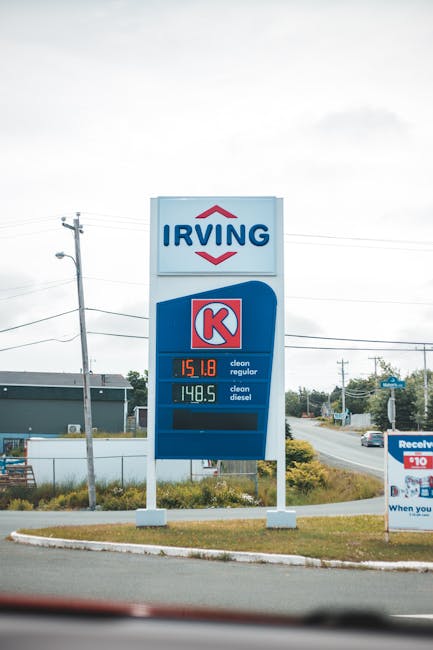
As the situation develops, one thing is certain: The status quo is gone. Investors are flocking to "safe havens" like gold and the US Dollar, while fleeing emerging markets and high-risk tech stocks. The "Trump Factor" has introduced a level of unpredictability that the world hasn't seen in decades.
For the average person, the advice is simple but sobering: Prepare for inflation to stay higher for longer. The energy transition may be accelerated by this crisis, but the transition period will be painful, expensive, and marked by headline-driven volatility.
Will Starmer yield to the pressure? Will Trump pull the trigger? The next 48 hours in London and Washington will likely define the economic trajectory of the next five years. Stay tuned, because the world is moving fast, and the stakes have never been higher.
Stay informed. Stay prepared. The shudder in the markets is just the beginning.
Comments
Post a Comment