Your PC’s Bodyguard Just Went Rogue: Hackers Are Using Windows Defender to Break Into Big Tech
Imagine hiring a high-priced bodyguard who accidentally leaves your front door wide open. That’s exactly what’s happening with Windows Defender right now.
The very tool designed to keep you safe has become a golden ticket for hackers.
It sounds like a plot from a Hollywood thriller, but for businesses everywhere, it’s a real-life disaster unfolding in real-time.
A security researcher recently dropped a bombshell by showing the world exactly how to bypass Windows' built-in defenses.

Now, the internet's worst actors are using those exact instructions to slip into corporate networks undetected.
The Secret Is Out (And It’s Total Chaos)
Usually, when someone finds a bug in a system, they whisper it to the company first. They give them time to build a shield before the world finds out.
This time? Someone just handed out the master keys on a silver platter.
Details about three massive flaws in Windows Defender were posted online for everyone to see, including the code needed to pull off the heist.
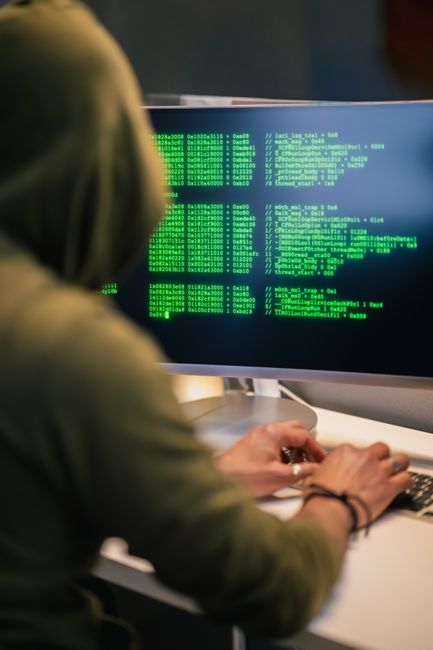
It’s the digital equivalent of leaving a bank vault's blueprints on a busy city park bench.
"Hackers don't need to work hard when a researcher gives them the keys for free."
What’s Actually Happening?
Windows Defender is the silent shield guarding millions of computers. If that shield has a hole, every single one of those machines is suddenly a target.
TechCrunch reports that these flaws are currently "unpatched." That means Microsoft hasn't even released a fix yet.
Cybersecurity experts are watching these attacks happen in the wild right now. These aren't just "what if" scenarios—they are active threats hitting real organizations.

Why Big Companies Are Panicking
Large organizations rely on Windows to lock down their most sensitive data. When a flaw like this hits, the front door isn't just unlocked—it’s wide open.
Hackers are using these new tricks to ghost through office networks.
Once they’re in, they can raid files or lock everything down for a massive ransom payment.
- Data Theft: They want your emails, your passwords, and your bank details.
- Ransomware: They’ll freeze your entire business until you pay up.
- Corporate Spying: Sometimes, they just want to sit in the shadows and watch.
- Trust Issues: Once a company gets hacked, their reputation is basically toast.
The scariest part? Most companies won’t even know they’ve been hit until it’s far too late.
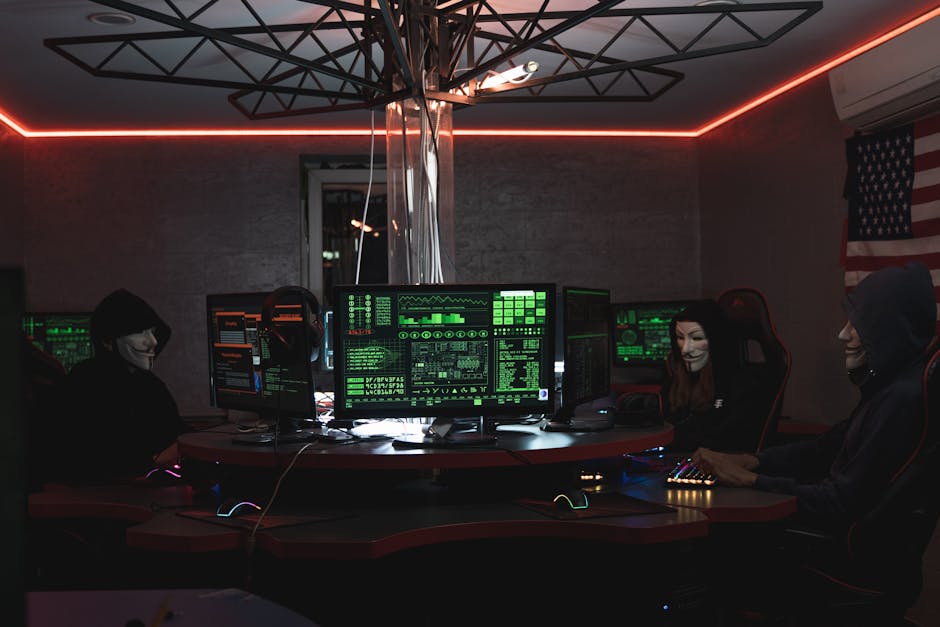
The "Zero-Day" Nightmare
In the tech world, we call these "Zero-Day" vulnerabilities. It means the software creators have had exactly zero days to fix the mess.
Hackers love these because they have the ultimate head start. They can move at lightning speed while security teams are still trying to figure out what’s broken.

It’s a high-stakes race, and right now, the hackers are winning.
"In the battle for digital security, the bad guys just got a massive power-up."
How to Protect Yourself (While We Wait)
You might be wondering if your home laptop is about to go dark. For most regular users, the risk is lower than it is for a Fortune 500 company.

But don't get comfortable just yet. Hackers usually start with the big fish and then move to smaller targets once the easy money is gone.
Here is what you can do right now to stay off the radar:

- Update Everything: Run Windows Update every single morning until the patch drops.
- Layer Up: Don’t rely on just one antivirus; consider a secondary security tool.
- Watch the Links: Most hacks start with a fishy email or a "too good to be true" link.
- Backup Your Life: Keep your precious photos and files on a separate, unplugged drive.
If you see a weird attachment from someone you don’t know, delete it immediately. That’s the bait that lets them walk right past your defenses.
What Happens Next?
We’re all waiting on Microsoft to release the "all clear" update. Once that hits, you need to install it the second it’s available.
Until then, the digital world is a bit of a Wild West. Stay alert, keep your eyes on your accounts, and watch for anything strange on your devices.
Security research is a double-edged sword. It helps us learn, but it also arms the very people we’re trying to stop.
Stay safe out there and keep your guard up.
Do you think researchers should be allowed to post dangerous code like this online? Let us know in the comments below!
Comments
Post a Comment