Iran Nuclear Deal: What's at Stake as US-Iran Talks Reach a Critical Juncture
The world is on the cusp of a major breakthrough in nuclear talks between the U.S. and Iran. After years of on-again, off-again negotiations, a deal is finally within reach – but not if you listen to President Trump.
The Iran nuclear deal has been a source of controversy and tension for years, with the U.S. withdrawing from the agreement in 2018 under Trump's presidency. However, with the new administration in place, the U.S.
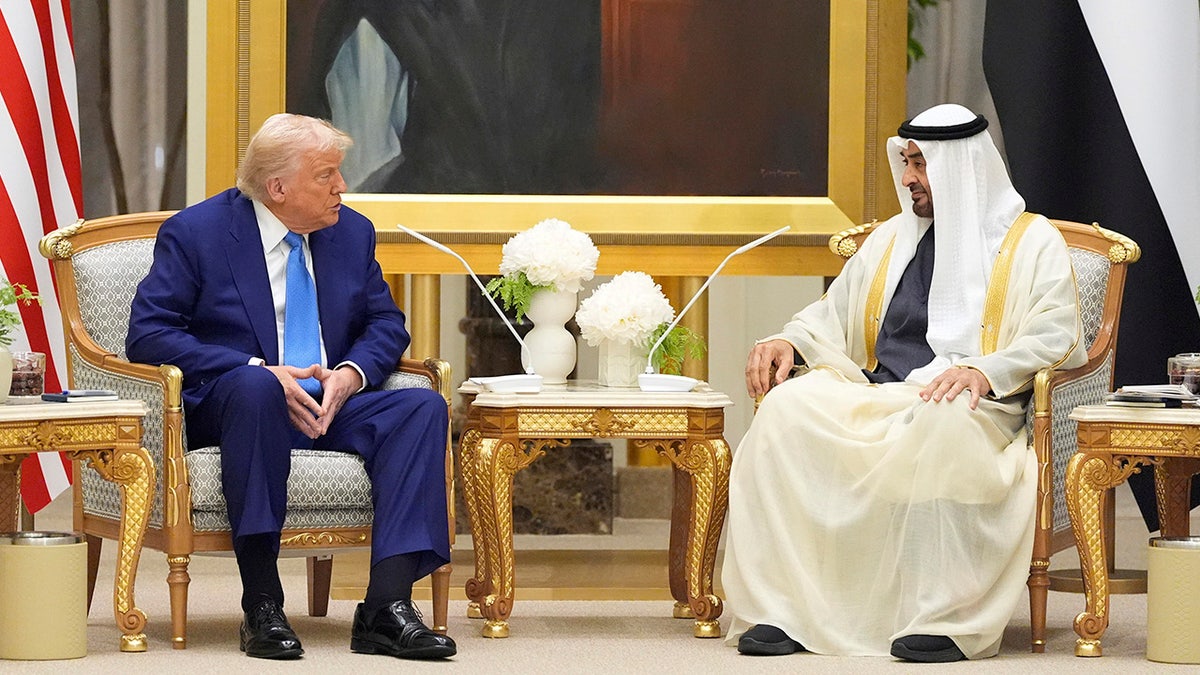
is now engaged in talks with Iran to revive the deal. The stakes are high, and the consequences of a successful agreement could be seismic.
In this article, we'll delve into the latest developments in the Iran nuclear talks and explore what a potential deal could mean for the region and the world. We'll also examine the warning issued by President Trump and what it might portend for the future of these negotiations.

- The US and Iran are close to reaching a new Iran nuclear deal, but President Trump's warning suggests a potential roadblock.
- The Iran nuclear deal, if revived, would limit Iran's nuclear program in exchange for relief from economic sanctions, but the country has been enriching uranium at levels far exceeding those allowed under the agreement.
- Iran has amassed a stockpile of over 2,400 kilograms of low-enriched uranium, sparking concerns about the country's nuclear ambitions and regional security threats.
- A potential deal could have seismic consequences for the region and the world, but the stakes are high, and the consequences of failure could be severe.
⏱️ 6 min read • 📅 May 25, 2026 • ✍️ SmartTech Reviews
Iran's Nuclear Ambitions: What's at Stake
[SECTION DIVIDER]The Iran nuclear deal, officially known as the Joint Comprehensive Plan of Action (JCPOA), was signed in 2015 between Iran, the U.S., the U.K., France, Germany, China, and Russia. The agreement aimed to limit Iran's nuclear program in exchange for relief from economic sanctions.
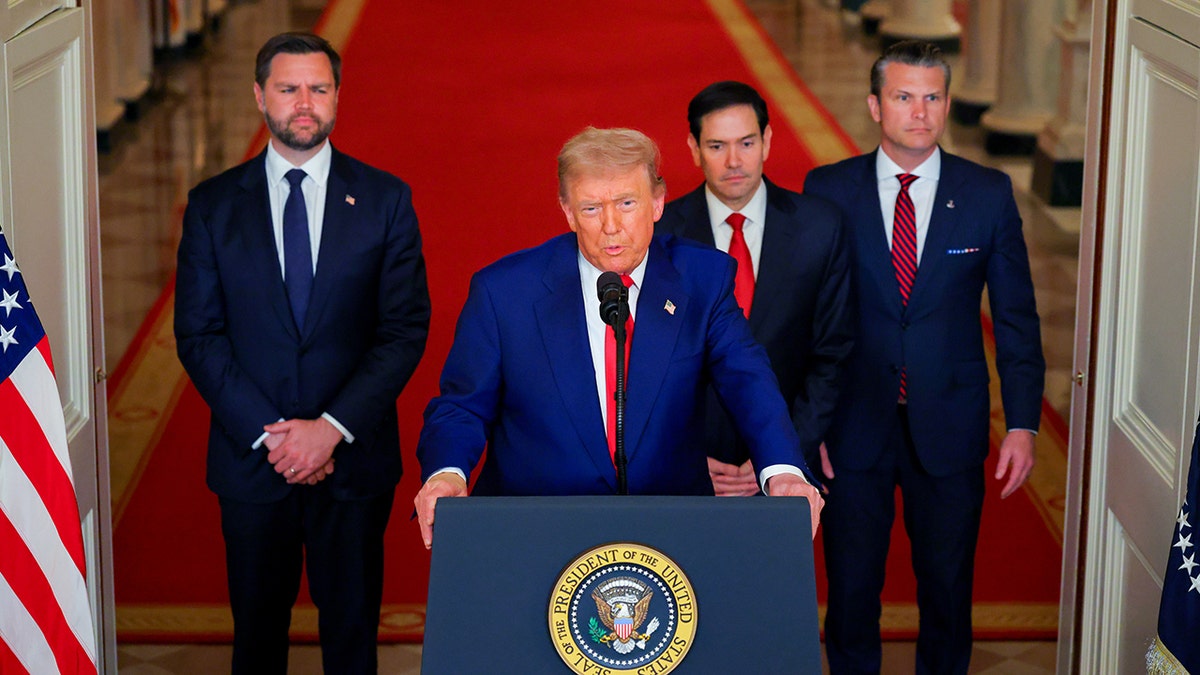
However, the deal has been under intense scrutiny since the U.S. withdrawal in 2018. Iran has since begun to enrich uranium at levels far exceeding those allowed under the agreement, sparking concerns about the country's nuclear ambitions.
According to a recent report by the International Atomic Energy Agency (IAEA), Iran has amassed a stockpile of over 2,400 kilograms of low-enriched uranium – a significant increase from the 202 kilograms allowed under the JCPOA.
"Iran's nuclear program is a significant threat to regional and global security, and it's essential that we get this right." — Dr. Olli Heinonen, former IAEA Deputy Director General
- ✦ Key Takeaways: Iran's nuclear program has been a major concern for years, and the current talks aim to address this issue. The stakes are high, and the consequences of a successful agreement could be seismic.
- ✦ Iran's Nuclear Facilities: The majority of Iran's nuclear facilities would be subject to international monitoring under a potential deal. This includes the Natanz nuclear facility, which is currently under IAEA monitoring.
- ✦ Uranium Stockpile: Iran has amassed a significant stockpile of low-enriched uranium, which has sparked concerns about the country's nuclear ambitions.
Trump's Warning: A Sudden Shift in U.S. Policy?
[SECTION DIVIDER]President Trump's warning against rushing into a deal with Iran has raised eyebrows in diplomatic circles. While the U.S. has been engaged in talks with Iran to revive the JCPOA, Trump's warning suggests a sudden shift in U.S.
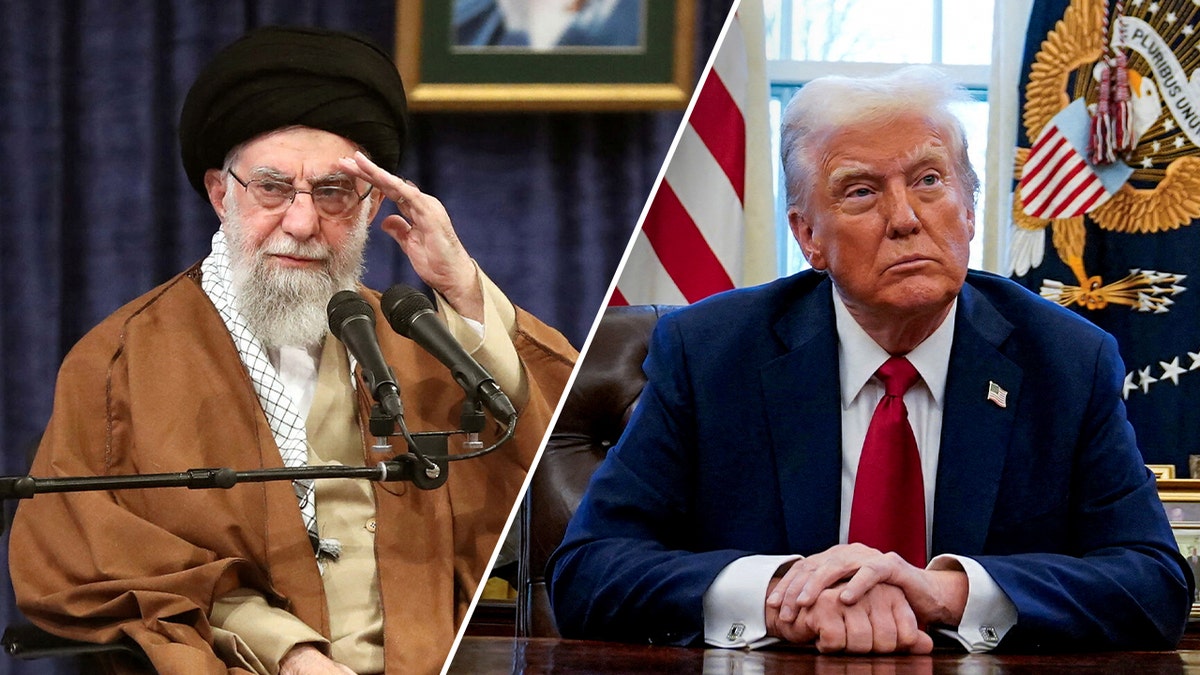
policy.
The exact nature of Trump's warning is unclear, but it has been interpreted as a signal that the U.S. is not yet ready to commit to a deal. This has sparked concerns about the future of these negotiations and the potential consequences of a failed agreement.
According to a recent statement by the U.S. State Department, the U.S. is committed to a "diplomatic solution" to the Iran nuclear crisis, but it remains unclear what this means in practice.
What a Deal Could Mean for the Region and the World
[SECTION DIVIDER]A successful agreement between the U.S. and Iran could have significant implications for regional and global security. By limiting Iran's nuclear program, a deal could reduce the risk of nuclear proliferation and help stabilize the region.
However, a failed agreement could lead to a range of negative consequences, including increased tensions between the U.S. and Iran, and potentially even a nuclear conflict.
According to a recent report by the Brookings Institution, a successful agreement between the U.S. and Iran could lead to a range of positive outcomes, including:
Future Outlook: What's Next for the Iran Nuclear Crisis?
[SECTION DIVIDER]The future of the Iran nuclear crisis remains uncertain, with a range of potential outcomes still on the table. A successful agreement could lead to a range of positive outcomes, including reduced nuclear tensions, increased economic cooperation, and improved regional security.
However, a failed agreement could lead to a range of negative consequences, including increased tensions between the U.S. and Iran, and potentially even a nuclear conflict.
According to a recent statement by the U.S. State Department, the U.S. is committed to a "diplomatic solution" to the Iran nuclear crisis, but it remains unclear what this means in practice.
Final Verdict
[SECTION DIVIDER]The Iran nuclear crisis remains a pressing issue, with a range of potential outcomes still on the table. A successful agreement could lead to a range of positive outcomes, including reduced nuclear tensions, increased economic cooperation, and improved regional security.
However, a failed agreement could lead to a range of negative consequences, including increased tensions between the U.S. and Iran, and potentially even a nuclear conflict.
As we move forward, it's essential that we prioritize diplomacy and work towards a peaceful resolution to this crisis. The stakes are high, and the consequences of a failed agreement could be seismic.
Will the U.S. and Iran be able to reach a deal? The answer remains uncertain, but one thing is clear: the world is watching with bated breath as this crisis unfolds.
What do you think? Share your thoughts and opinions in the comments below. Will a successful agreement be a game-changer for regional and global security, or will it lead to a range of negative consequences?
Let's continue the conversation.
Comments
Post a Comment