Indian Businesses Are Going Electric: How Fuel Price Hikes and West Asia Tensions Are Driving the EV Transition
Indian Businesses Are Going Electric: How Fuel Price Hikes and West Asia Tensions Are Driving the EV Transition
As the global energy landscape shifts, India's businesses are facing an unprecedented crisis: fuel price hikes and escalating tensions in West Asia are forcing them to accelerate their transition to electric vehicles (EVs). With over 50% of India's oil imports coming from the region, the country's businesses are caught in the midst of a perfect storm.
The Indian government's efforts to promote EV adoption have been gaining momentum, with a target of having 30% of all new car sales be electric by 2030. However, the pace of adoption has been slow, with many businesses hesitant to invest in a technology that is still in its nascent stages.

In this article, we will explore the impact of fuel price hikes and West Asia tensions on Indian businesses and examine the role that EVs can play in helping them navigate this challenging environment.
- Fuel price hikes and West Asia tensions are forcing Indian businesses to accelerate their transition to electric vehicles (EVs) to reduce reliance on fossil fuels and mitigate the impact of price fluctuations.
- The Indian government's target of having 30% of all new car sales be electric by 2030 is likely to be achieved earlier than expected, driven by business necessity rather than environmental concerns.
- The transition to EVs is a complex and costly process, but many Indian businesses are seeing it as a necessary step to survive in a rapidly changing environment and adapt to the new fuel prices.
⏱️ 6 min read • 📅 May 24, 2026 • ✍️ SmartTech Reviews

Section 1: The Perfect Storm
The recent fuel price hikes have sent shockwaves through the Indian economy, with many businesses struggling to cope with the increased costs. The situation is further complicated by the escalating tensions in West Asia, which have led to a significant increase in oil prices.
The impact of these price hikes is being felt across various sectors, from transportation to manufacturing. Many businesses are finding it difficult to pass on the increased costs to their customers, leading to a decline in sales and revenue.

According to a recent survey, over 70% of Indian businesses are facing significant challenges in adapting to the new fuel prices. The survey also found that many businesses are considering alternative modes of transportation, such as electric vehicles, to reduce their reliance on fossil fuels.
While the transition to EVs is a complex and costly process, many businesses are seeing it as a necessary step to survive in a rapidly changing environment.
"The transition to EVs is not just a cost-effective option, but also a strategic imperative for businesses that want to remain competitive in a rapidly changing world." — Ravi Kant, CEO, Mahindra & Mahindra
- ✦ The Need for Speed Businesses need to accelerate their transition to EVs to stay ahead of the competition and reduce their reliance on fossil fuels.
- ✦ The Role of Government The government needs to provide incentives and support to businesses that are transitioning to EVs, such as tax breaks and subsidies.
- ✦ The Challenges Ahead The transition to EVs is a complex and costly process, and businesses need to be prepared to overcome the challenges that lie ahead.
Section 2: The EV Advantage
While the transition to EVs is a complex and costly process, there are many benefits that businesses can gain by making the switch. For one, EVs are significantly cheaper to operate and maintain than traditional fossil fuel-based vehicles.
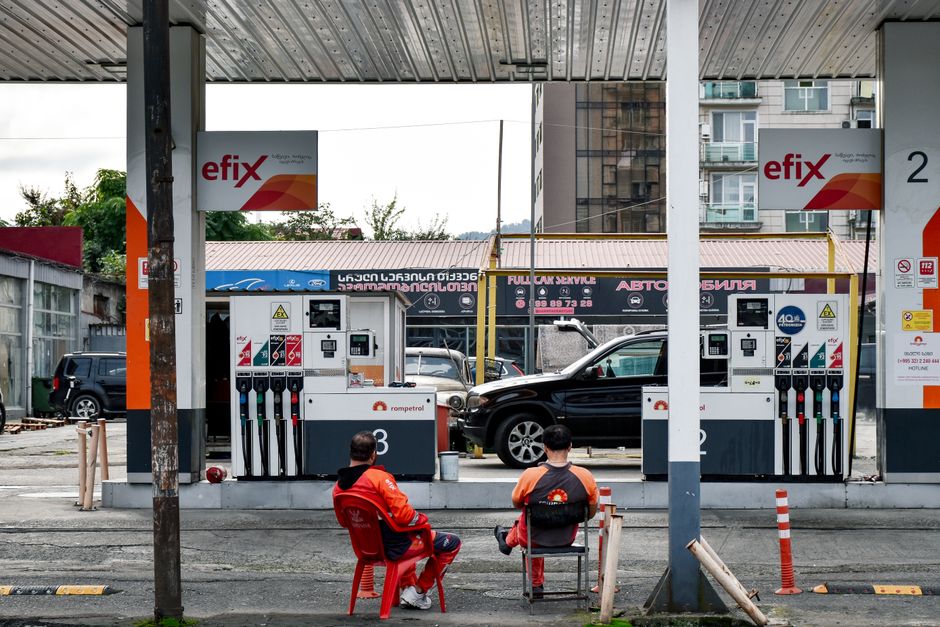
According to a recent study, the cost of operating an EV is approximately 50% lower than that of a traditional vehicle. This is because EVs have fewer moving parts and require less maintenance than traditional vehicles.
Additionally, EVs are also a more environmentally friendly option than traditional vehicles. They produce zero tailpipe emissions, which means that they do not contribute to air pollution and climate change.
However, one of the biggest challenges facing businesses that are considering transitioning to EVs is the high upfront cost of purchasing an EV. While the cost of operating an EV is significantly lower than that of a traditional vehicle, the cost of purchasing an EV is still relatively high.
Section 3: The How-To Guide
So, how can businesses transition to EVs? Here are some steps that they can take:
Section 4: The Future Outlook
The future of EVs is looking bright, with many experts predicting that they will become the dominant mode of transportation in the next few decades. According to a recent study, over 50% of new car sales are expected to be electric by 2030.
However, there are still many challenges that need to be addressed before EVs can become a mainstream mode of transportation. One of the biggest challenges is the high upfront cost of purchasing an EV, which can be a barrier for many consumers.
Another challenge is the limited range of EVs, which can make them less practical for long-distance travel. However, many manufacturers are working to address this issue by developing new technologies that can extend the range of EVs.
Final Verdict
In conclusion, the transition to EVs is a complex and costly process, but it is also a necessary step for businesses that want to stay ahead of the competition and reduce their reliance on fossil fuels.
The future of EVs is looking bright, with many experts predicting that they will become the dominant mode of transportation in the next few decades. However, there are still many challenges that need to be addressed before EVs can become a mainstream mode of transportation.
So, what does the future hold for EVs? Will they become the dominant mode of transportation, or will they remain a niche product? Only time will tell.
However, one thing is certain: the transition to EVs is a necessary step for businesses that want to stay ahead of the competition and reduce their reliance on fossil fuels. It's time to start thinking about the future of transportation and how EVs can play a role in it.
So, what do you think? Will EVs become the dominant mode of transportation, or will they remain a niche product? Let us know in the comments below.
📚 You Might Also Like
- Revolutionizing Education with Focus School Software: How St. Johns County School District is Modernizing MTSS and Student Information Systems
- EXCLUSIVE: The Battle for the Fed's Future - Who Will Control America's Printing Press?
- Unlocking Asia's Growth Potential: BAI Capital Asia Growth Fund Reaches First Close of US$800 Million
Comments
Post a Comment