Predicting Disaster: How the Trump Administration's War on Prediction Markets Threatens Democracy
A new battleground has emerged in the world of finance and politics, with several states fighting against the Trump administration's efforts to shut down prediction markets. At the center of this battle is a question that has been debated by economists and policymakers for decades: should markets be allowed to predict the future, or should the government try to control them?
The issue began in 2017, when the Trump administration launched an investigation into the PredictIt platform, a prediction market that allowed users to bet on the outcome of various events, from election results to sports games. The administration claimed that the platform was operating outside the law, and that its activities were a threat to national security. But prediction market enthusiasts and experts argue that the platform is a harmless form of entertainment, and that it provides valuable insights into the minds of voters and policymakers.
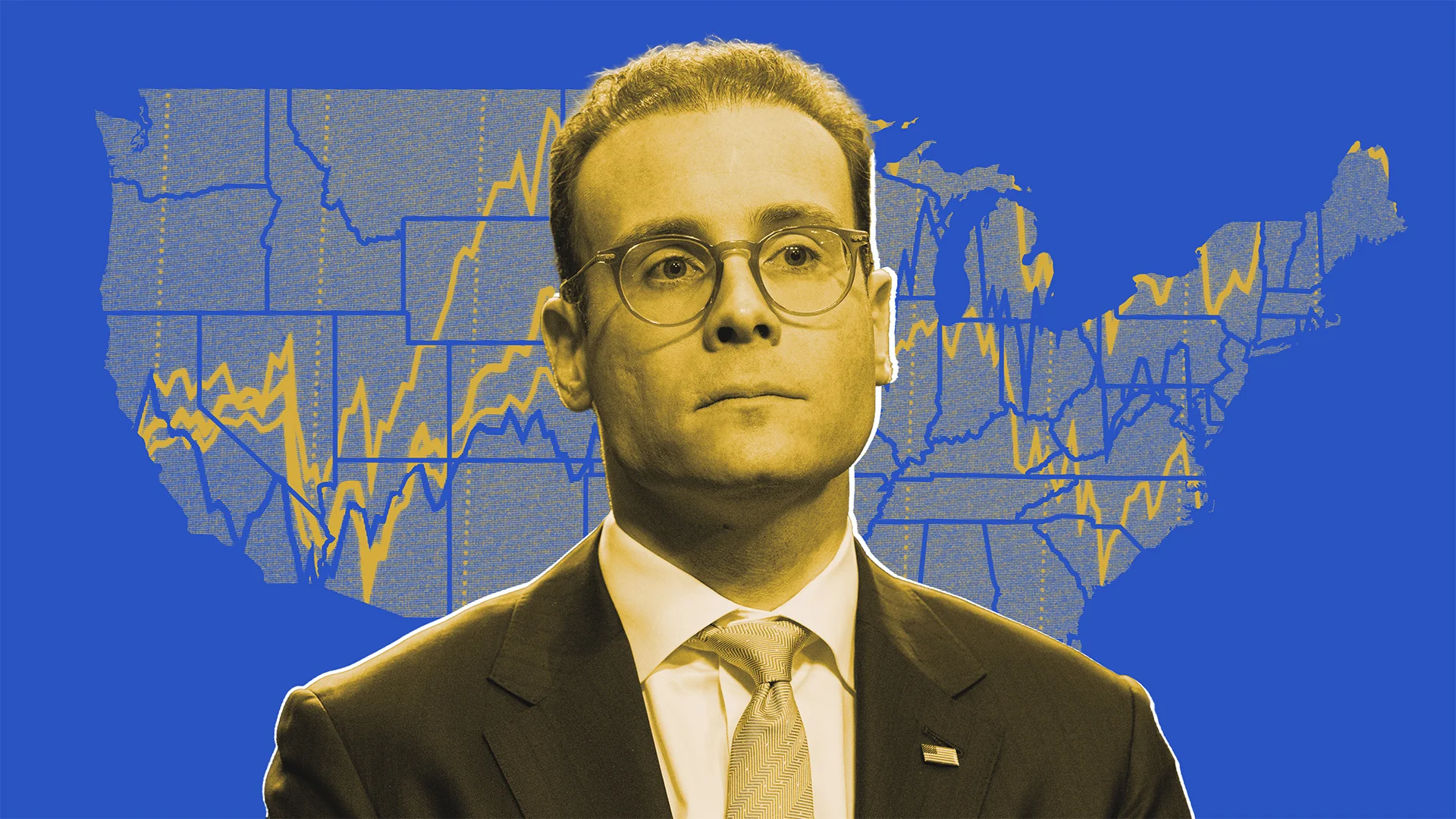
As the battle between the Trump administration and the prediction market enthusiasts heats up, one thing is clear: the stakes are high, and the outcome will have far-reaching implications for the future of finance and politics.
- The Trump administration launched an investigation into the PredictIt platform in 2017, claiming it was operating outside the law and threatening national security.
- Several states, including California, New York, and Illinois, have filed lawsuits against the Trump administration, arguing that its efforts to shut down prediction markets are an overreach of executive power.
- Prediction market enthusiasts argue that the Federal Election Campaign Act is being misapplied, and that the administration's efforts to shut down the markets are a threat to free speech and democratic participation.
⏱️ 5 min read • 📅 May 25, 2026 • ✍️ SmartTech Reviews

States Take on the Trump Administration
[SECTION DIVIDER]The battle between the Trump administration and the prediction market enthusiasts is not just about the future of finance and politics - it's also about the future of democracy itself. Several states, including California, New York, and Illinois, have filed lawsuits against the Trump administration, arguing that the administration's efforts to shut down prediction markets are an overreach of executive power.
At the center of the controversy is a little-known law called the Federal Election Campaign Act, which prohibits the use of corporate funds to influence the outcome of elections. The Trump administration claims that prediction markets are a form of corporate influence, and that they are therefore subject to the same rules as traditional campaign finance.

But prediction market enthusiasts argue that the law is being misapplied, and that the administration's efforts to shut down the markets are a threat to free speech and democratic participation.
"The idea that prediction markets are a threat to democracy is a laughable one. In fact, prediction markets are a key part of a healthy democracy, providing citizens with a way to engage with politics and express their opinions in a safe and secure environment." — Ron Paul, Former US Congressman
A Closer Look at the Law
[SECTION DIVIDER]The Federal Election Campaign Act is a complex and often misunderstood law, and its application to prediction markets is no exception. The law prohibits the use of corporate funds to influence the outcome of elections, but it does not explicitly mention prediction markets.
However, the law does provide a broad definition of "influence" that could potentially be applied to prediction markets. According to the law, any activity that "affects the outcome of an election" is considered a form of influence, and is therefore subject to the same rules as traditional campaign finance.

The problem is that the law is not clear about what constitutes "influence" in the context of prediction markets. Some argue that prediction markets are a form of self-expression, and that they do not constitute a form of influence at all. Others argue that prediction markets are a form of corporate influence, and that they should be subject to the same rules as traditional campaign finance.
The Future of Prediction Markets
[SECTION DIVIDER]As the battle between the Trump administration and the prediction market enthusiasts continues to unfold, one thing is clear: the future of prediction markets is uncertain. Will the administration succeed in shutting down the markets, or will the states and prediction market enthusiasts find a way to circumvent the law?
One thing is for sure: the outcome of this battle will have far-reaching implications for the future of finance and politics. If the administration succeeds in shutting down the markets, it could set a precedent for the government to regulate other forms of free speech and democratic participation.
But if the states and prediction market enthusiasts succeed in protecting the markets, it could pave the way for a new era of democratic participation and free speech.
Final Verdict
[SECTION DIVIDER]The battle between the Trump administration and the prediction market enthusiasts is a complex and multifaceted one, with far-reaching implications for the future of finance and politics. But one thing is clear: the outcome of this battle will have a profound impact on the future of democracy itself.
Will the administration succeed in shutting down the markets, or will the states and prediction market enthusiasts find a way to circumvent the law? Only time will tell.
But one thing is for sure: the future of prediction markets will be shaped by the outcome of this battle, and will have far-reaching implications for the future of finance and politics.
So what do you think? Should prediction markets be allowed to continue operating, or should the government try to control them? Share your thoughts in the comments below.
Comments
Post a Comment