The Hidden Dangers: How Online Abuse is Severely Impacting Mental Health
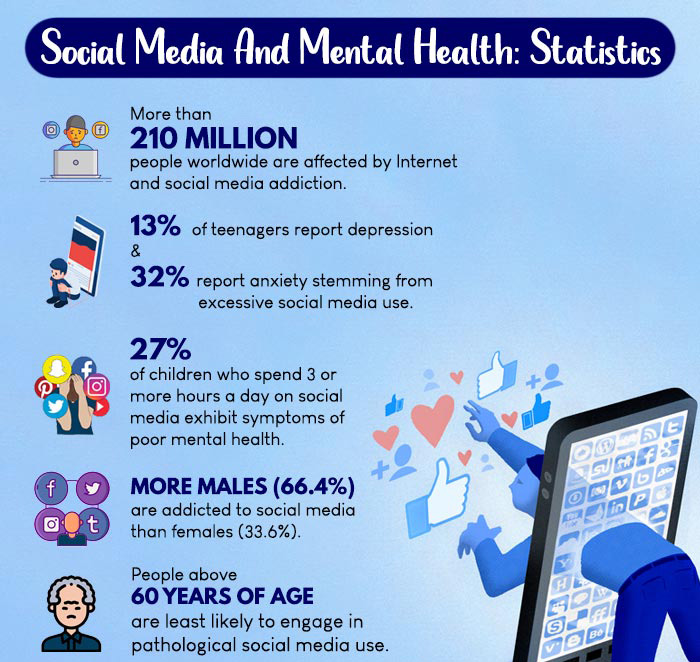
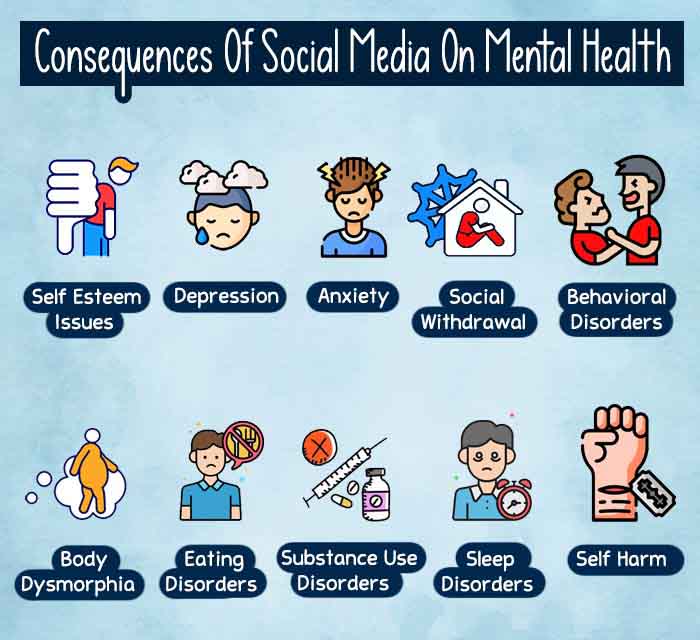
According to a recent study, nearly 70% of young adults experience online harassment, which can lead to anxiety, depression, and even suicidal thoughts. The digital world has become a breeding ground for toxic behavior, but what's behind this disturbing trend?
Social media has revolutionized the way we communicate, but it's also created a platform for abuse, bullying, and manipulation. The lines between online and offline relationships have blurred, leaving many vulnerable to the darker aspects of social media. In this article, we'll explore the link between social media abuse and mental health, examining the latest research and expert insights to understand the complex issues at play.

By the end of this article, you'll understand the scope of the problem, the warning signs to look out for, and practical steps to take to protect yourself and others from the toxic effects of social media.
- Nearly 70% of young adults experience online harassment, leading to anxiety, depression, and suicidal thoughts.
- Online abuse is often a symptom of deeper psychological issues, such as low self-esteem, insecurity, and a lack of empathy.
- Research shows that individuals who engage in online harassment often exhibit traits like narcissism, aggression, and a lack of emotional intelligence.
- Education and awareness are crucial in preventing social media abuse, and addressing underlying psychological issues can help prevent it.
- The scope of the problem is vast, with 1 in 3 people experiencing online harassment, highlighting the need for collective action to mitigate its effects.
⏱️ 6 min read • 📅 May 25, 2026 • ✍️ SmartTech Reviews
The Psychology of Social Media Abuse
Dr. Sue Scheff, a leading expert on online harassment, explains that social media abuse is often a symptom of deeper psychological issues, such as low self-esteem, insecurity, and a lack of empathy. "When individuals feel powerless or marginalized in their offline lives, they may turn to social media as a way to exert control and dominance over others."
Research has shown that people who engage in online harassment often exhibit traits like narcissism, aggression, and a lack of emotional intelligence. These individuals may use social media as a means to validate their self-worth, seeking attention and validation from others.

For example, a study published in the Journal of Youth and Adolescence found that adolescents who engaged in online harassment were more likely to exhibit narcissistic tendencies, such as grandiosity and a lack of empathy. This highlights the importance of addressing these underlying psychological issues to prevent social media abuse.
Dr. Scheff emphasizes the importance of education and awareness, noting that "we need to teach children and adults alike how to navigate online relationships safely and respectfully." This includes teaching skills like critical thinking, media literacy, and emotional regulation to help individuals navigate the complexities of social media.
- ✦ Recognize the warning signs: Be aware of red flags like excessive criticism, belittling, or condescending behavior online.
- ✦ Set boundaries: Establish clear limits on your online interactions and prioritize self-care.
- ✦ Practice empathy: Treat others online with kindness, respect, and understanding, just as you would in person.
- ✦ Seek support: Reach out to friends, family, or mental health professionals if you're experiencing online abuse or harassment.
Protecting Yourself and Others from Social Media Abuse
While social media abuse can be a challenging and complex issue, there are steps you can take to protect yourself and others. By being aware of the warning signs, setting boundaries, and practicing empathy, you can create a safer online environment.
Expert Insights: A New Era of Social Media Responsibility
As social media continues to evolve, experts like Dr. Jean Twenge predict that we'll see a shift towards more responsible and empathetic online behavior. "We need to teach young people that social media is a tool, not a replacement for human connection."
By embracing this new era of social media responsibility, we can create a safer, more compassionate online community. As Dr. Twenge notes, "it's time to rethink our relationship with technology and prioritize human connection."
One potential solution is the development of AI-powered tools that can detect and prevent online abuse. For example, a study published in the Journal of Communication found that AI-powered chatbots can be effective in reducing online harassment by providing users with support and resources.
Another approach is to implement social media literacy programs in schools, teaching students the skills they need to navigate online relationships safely and respectfully. This includes teaching critical thinking, media literacy, and emotional regulation to help students develop healthy online habits.
As you navigate the complex world of social media, remember that you have the power to create positive change. By being aware of the warning signs, setting boundaries, and practicing empathy, you can protect yourself and others from the darker aspects of social media.
Case Study: The Impact of Social Media Abuse on Mental Health
A recent study published in the Journal of Clinical Psychology found that individuals who experienced online harassment were more likely to develop symptoms of depression and anxiety. The study also found that social media abuse can exacerbate existing mental health conditions, such as post-traumatic stress disorder (PTSD).
For example, a 17-year-old girl was subjected to online harassment and bullying by her peers. She began to experience symptoms of depression and anxiety, including feelings of worthlessness and social isolation. The girl's mental health struggles were further exacerbated by the constant online abuse, which made her feel like she was living in a "digital nightmare."
However, with the support of her family and a mental health professional, the girl was able to develop coping strategies and learn how to manage her online interactions safely and respectfully. This case study highlights the importance of seeking support and resources for individuals who are experiencing online abuse and harassment.
Final Verdict
The link between social media abuse and mental health is clear: we need to take responsibility for our online actions and create a safer, more compassionate digital environment. By being aware of the warning signs, setting boundaries, and practicing empathy, we can protect ourselves and others from the darker aspects of social media.
As you continue on your social media journey, remember that you have the power to create positive change. Don't just scroll – engage, connect, and create a better online world.
What will you do to take control of your social media experience and protect yourself and others from abuse?
📚 You Might Also Like
- Indian Businesses Are Going Electric: How Fuel Price Hikes and West Asia Tensions Are Driving the EV Transition
- Revolutionizing the Future: How the Convergence of AI and Optical Technologies is Redefining the Tech Landscape
- Scapia Breaks Records with $63 Million Funding: Revolutionizing Travel Fintech with AI
Comments
Post a Comment